Skip to content
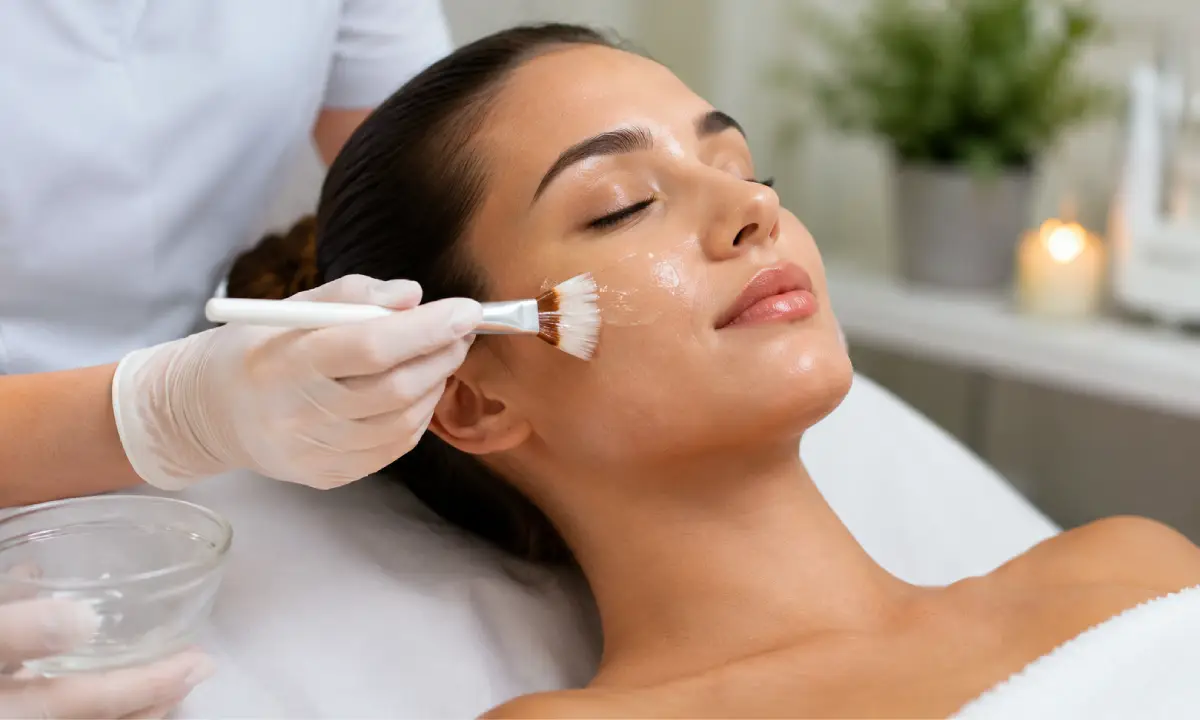
Table of Contents
Acne itself is frustrating enough, but the marks it leaves behind can stick around long after breakouts have cleared up. Uneven texture, dark spots, and shallow scarring have a way of showing up every time you look in the mirror, even on days when your skin otherwise feels fine.
That lingering frustration is exactly why chemical peels come up so often in conversations at Uptown Medical Aesthetics. It is a fair question to ask whether this treatment actually delivers real improvement for acne scars, rather than just another product promising results it cannot back up.
Can Chemical Peels Actually Improve The Appearance of Acne Scars?
Yes, chemical peels can meaningfully improve superficial acne scars and post-acne marks by removing damaged surface layers and stimulating collagen production. However, deeper or pitted scars may need to be paired with additional treatments for the best results.
What Chemical Peels Actually Do for Acne Scars
Chemical peels work by applying a specially formulated solution that removes the outer layer of damaged skin. For acne scars specifically, this process helps fade discoloration left behind by old breakouts while smoothing out some of the surface irregularities that make scarring so noticeable. As the skin heals, it also stimulates new collagen production, which supports a smoother, more even texture over time.
This matters because acne scars are not just a discoloration issue; they often involve changes to skin texture as well. A treatment that only addresses tone without touching texture tends to leave people disappointed. Chemical peels work on both fronts at once, which is part of why they remain such a popular option for acne scar treatment. It also helps to understand that not all acne marks are true scars. Some discoloration is simply post-inflammatory pigmentation that fades on its own over time, while true scarring involves changes to the skin’s structure that require active treatment to improve.
How Chemical Peels Work to Improve Skin Texture and Tone
The chemical solution is applied after a thorough cleaning to remove makeup and surface contaminants. As the healing process advances, the peel promotes the body’s natural renewal process and exfoliates damaged skin cells, resulting in smoother, more even-toned skin.
The effectiveness of treatment for acne scars is significantly influenced by peel strength. Light peels provide a mild revitalization with little recovery time. On the other hand, medium and advanced peels are designed to penetrate deeper layers, where texture irregularities and more stubborn acne marks typically reside. The depth and severity of your particular scarring will usually determine the peel strength that a provider recommends.
Real Benefits of Chemical Peels for Acne Scars
When people ask whether chemical peels can really improve acne scars, the honest answer depends on what results they expect. Here is what this treatment can realistically offer:
- Fades acne marks and superficial scarring by removing damaged surface layers where discoloration tends to sit
- Improves uneven skin tone and texture left behind by past breakouts
- Boosts collagen production to support smoother skin over the following weeks
- Reduces the appearance of dullness that often accompanies acne-prone or post-acne skin
- Offers customizable strength options, from light refreshing peels to more advanced treatments for stubborn scarring
- Provides visible improvement with manageable downtime, depending on the peel strength chosen
These benefits explain why chemical peels remain a reliable option. However, deeper, pitted, or ice-pick scars often respond better when peels are combined with other skin-resurfacing treatments rather than used alone.
Who Is a Good Candidate for This Treatment
Those who experience dullness after breakouts, mild textural unevenness, or post-acne discoloration typically benefit from chemical peels for acne scars. Since lighter peels require little to no downtime, they are also a good choice for anyone who wants noticeable improvement without a lengthy recovery period.
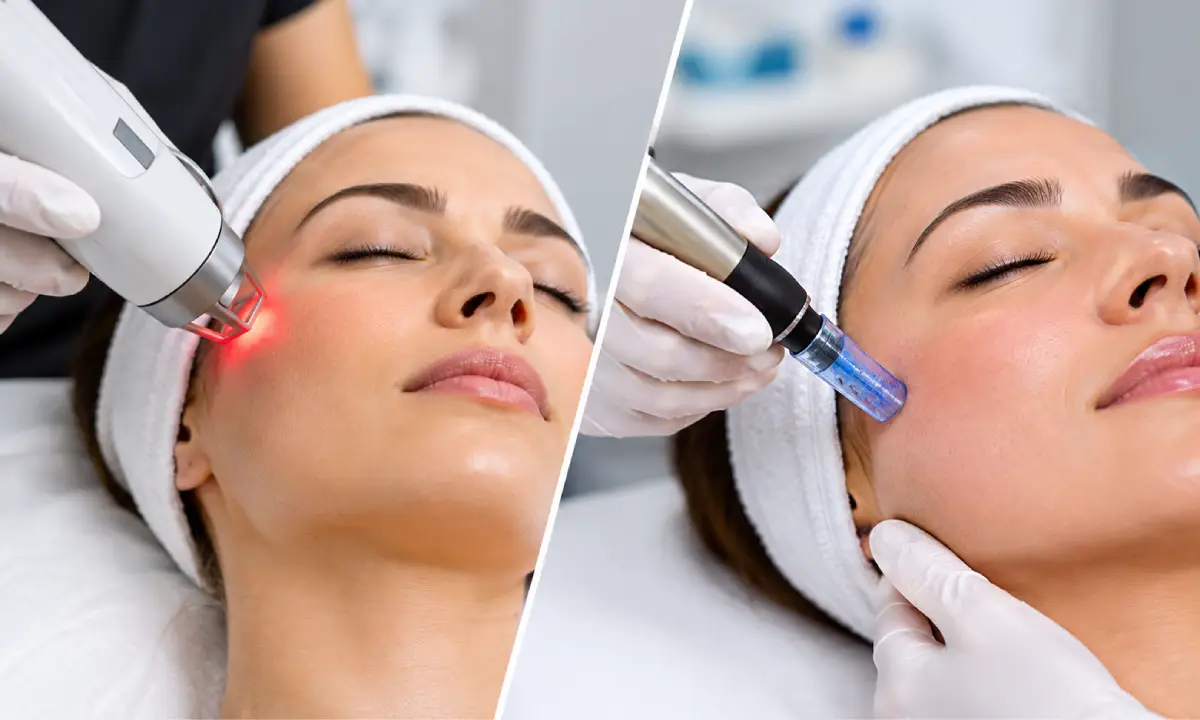
If there are significant textural changes or deeper pitting in your scarring, you may still be eligible. Your doctor might recommend combining peels with treatments like microneedling for a more comprehensive result. Because skin type and tone also affect which peel formulation and strength will work best; a professional evaluation is more important than making assumptions based only on general information.
What to Expect During and After Treatment
During your session, you can expect a cleanse, application of the chemical solution, and a brief processing period before the treatment is neutralized or removed. Mild tingling or warmth is common during the process, and some redness or light peeling afterward is normal as your skin renews itself.
Peel strength determines the outcome; some improvement is apparent almost instantly, and over the next few days and weeks, further smoothing and brightening develop. For acne scarring in particular, several sessions are frequently advised because regular treatment usually results in more noticeable, long-lasting results than a single peel.
Ready to See What Chemical Peels Can Do for Your Skin?
Chemical peels offer a realistic, well-established option for improving the appearance of acne scars, particularly surface-level discoloration and mild texture irregularities. While deeper scarring may need a combined approach, this treatment remains one of the more reliable starting points for anyone looking to address lingering acne marks.
Ready to refresh your skin? Schedule a consultation to discover which chemical peel is right for your skin type and concerns. Our team at Uptown Medical Aesthetics will assess your specific scarring and recommend the right peel strength and plan for your goals, rather than applying a one-size-fits-all approach to something as personal as your skin. If you have questions before booking, feel free to contact us, and we will help point you toward the right next step.